
Total Rewards Statements: Why Employees Still Don’t Get It
Turning a Compliance Document Into a Tool for Understanding, Trust, and Retention
Introduction
Most organizations invest heavily in pay and benefits, yet employees often underestimate the full value of their total rewards. The problem is rarely the rewards themselves, it’s how they’re communicated.
Traditional total rewards statements are often designed to meet compliance or internal reporting needs, rather than to help employees clearly understand what they receive. When clarity is missing, perceived value declines, trust weakens, and engagement suffers.
This guide explores why total rewards statements fall short and how a clearer, more human-centered approach can change outcomes.
1. Why Employees Undervalue Their Benefits
Despite rising benefit costs, many employees still feel underpaid or unsupported. Common reasons include:
1.1 Rewards Are Invisible
- Benefits are deducted before pay reaches employees
- Employer contributions are rarely viewed as “real income”
- Non-cash benefits can feel abstract or difficult to value

1.2 Complexity Creates Disengagement
- Too many benefit categories
- Technical or legal language
- Dense tables with little visual hierarchy
When employees don’t understand something, they tend to disengage from it.
1.3 Lack of Personal Relevance
- Generic statements
- No clear explanation of what applies to them
- No connection to role, career stage, or life stage
Employees often skim content that doesn’t feel relevant or personal.
2. What Most Total Rewards Statements Get Wrong
2.1 They Prioritize Accuracy Over Clarity
Accuracy matters, but clarity drives impact. Many statements lead with totals instead of meaning, present numbers without context, and assume a high level of financial literacy.
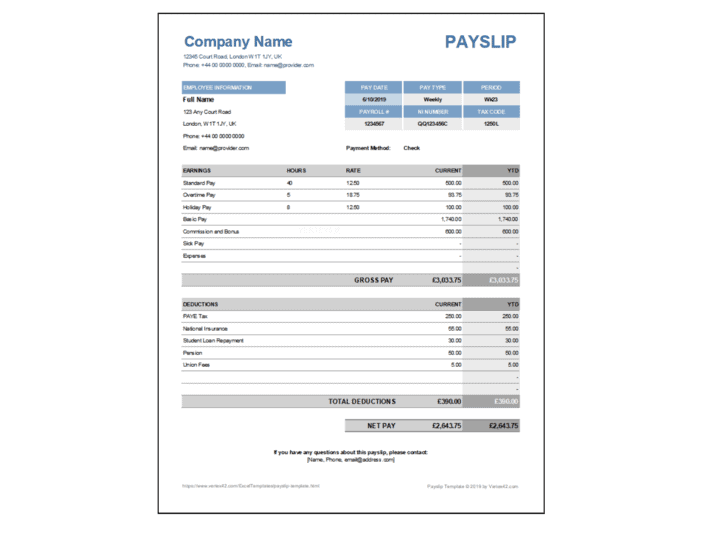
2.2 They Look Like Payslips
- Use the same visual language as payroll
- Lack narrative or explanation
- Create little emotional connection to value
This signals “admin document” instead of “value statement.”
2.3 They Are Delivered Once a Year
- Sent, downloaded, forgotten
- No reinforcement throughout the year
- No connection to key moments (reviews, promotions, life events)
3. Communication vs Compliance
The Compliance Mindset
- Focused on correctness
- Designed for auditors
- Risk-averse language
The Communication Mindset
- Focused on understanding
- Designed for employees
- Plain language and context
Key shift: Total rewards statements should satisfy compliance and communicate value, not choose between them.
4. The Impact on Engagement and Retention
When total rewards are clearly communicated:
- Employees better understand their full value
- Perceived pay fairness improves
- Trust in the organisation increases
- Engagement scores rise
- Retention risk decreases
Conversely, when rewards feel unclear or undervalued:
- Pay dissatisfaction grows
- Benefits are underutilised
- Attrition risk increases
5. What Effective Total Rewards Statements Do Differently
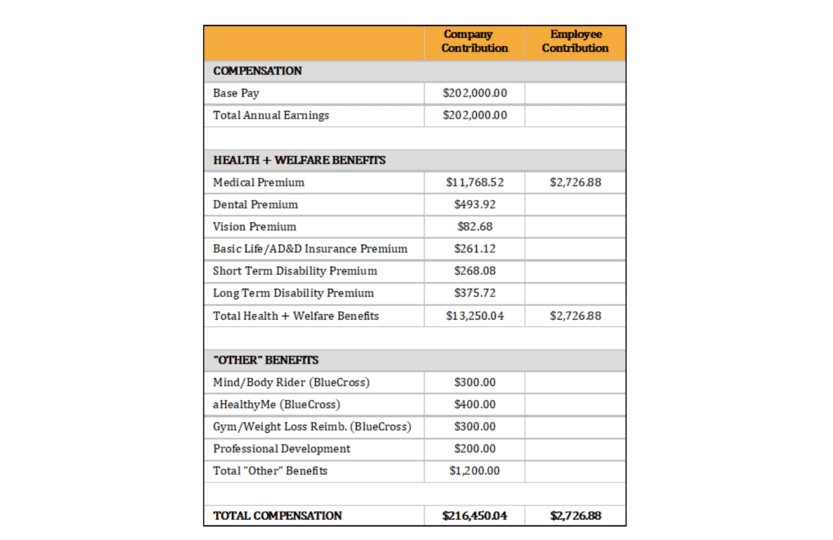
High-impact statements show cash and non-cash value clearly, use simple human language, prioritise visual hierarchy, personalise wherever possible, and are accessible beyond once-a-year delivery. They don’t overwhelm. They explain.
Final Thought
Total rewards statements are one of the most underused tools in the employee experience toolkit. When designed purely for compliance, they inform no one. When designed for understanding, they become a powerful driver of trust, engagement, and retention.
Next step: Explore how modern total rewards statements help employees see and value the full investment made in them.