Most organizations have a compensation strategy, but few designed one intentionally. Pay decisions accumulate over years:
a market adjustment here
a new bonus structure there
a benefits overhaul driven by budget pressure rather than philosophy.
The result is a patchwork that nobody can fully explain and nobody wants to defend in a talent review.
This guide cuts through that. It breaks down the main types of compensation strategies across three distinct dimensions and gives you a framework for making deliberate choices rather than inherited ones.
Key Takeaways
Compensation strategy spans three lenses: market positioning, pay structure, and pay mix.
Lead, lag, and meet the market describe where you stand relative to competitors.
Pay structure determines how pay is organized and differentiated internally.
Pay mix defines the balance of base pay, variable pay, and equity.
The right strategy depends on your business stage, talent market, and culture.
What is a Compensation Strategy?
A compensation strategy is the set of deliberate choices an organization makes about how to structure and deliver pay, translated into programs and guidelines that managers can actually use.
That definition matters because the term gets stretched.
People use “compensation strategy” to describe everything from a vague pay philosophy to a specific merit matrix, often in the same meeting.
A compensation philosophy is the “why” behind how you pay people: whether you want to lead the market, reward individual performance, or prioritize stability.
A compensation strategy is the “what” that follows, taking those values and turning them into decisions that employees and managers can work with.
Most organizations have a philosophy, even if it has never been written down. Fewer have a true strategy.
That gap is where compensation programs quietly break down: pay decisions get made ad hoc, inherited structures never get revisited, and nobody can explain why certain roles are graded the way they are.
Closing that gap requires being specific about which decisions actually constitute a compensation strategy. There are three.
The Three Strategic Lenses
The most useful way to think about compensation strategy is to recognize that it isn’t a single choice. It’s three separate decisions made across three distinct dimensions:
Market positioning: Where do you want to sit relative to what other organizations pay for similar roles? This is the lead / lag / meet-the-market decision.
Pay structure: How do you organize and differentiate pay internally? This is the job-based vs. skill-based vs. competency-based decision.
Pay mix: What proportion of total compensation comes from base pay, variable pay, equity, and non-cash elements?
These are not the same decision, and conflating them creates programs that feel inconsistent.
An organization can lead the market on base pay while maintaining a conservative pay mix with little variable compensation.
Another can meet the market on base but tilt heavily toward equity, effectively leading on total cash opportunity for strong performers.
The combination of choices across all three lenses is what defines your actual compensation strategy.
Market Positioning: Lead, Lag, or Meet the Market
Market positioning is usually where compensation strategy conversations start, and for good reason.
Where you sit relative to the market affects recruiting, retention, and compensation spend more directly than almost any other single decision.
Lead the Market
The goal is straightforward. You want to be the most attractive option in the talent market and reduce the likelihood that your best people leave for a pay increase elsewhere.
This works well when:
You’re competing for scarce, specialized talent where supply is tight.
Your team is lean and each role carries outsized organizational impact.
Turnover is expensive enough that premium pay is cheaper than replacement costs.
The tradeoff is cost. Paying above market on base is a significant ongoing commitment, and it raises the floor for future increases.
Lag the Market
A lag strategy sets pay below the prevailing market rate. This is sometimes a necessity and sometimes a deliberate trade-off.
Nonprofits, mission-driven organizations, and companies with other strong differentiators often pay below market and compensate with non-monetary value instead.
Purpose, flexibility, career development, and especially strong benefits can make up meaningful ground when the base pay gap isn’t too wide.
The risk is predictable. Top performers with options will eventually test the market, and organizations that lag on pay need to be honest about what they’re offering in return.
“We have great culture” is not a durable substitute for competitive pay if the gap is wide.
Meet the Market
The most common positioning, meeting the market, means targeting the 50th percentile of relevant salary data.
Pay is competitive, costs are manageable, and the strategy doesn’t depend on out-paying competitors.
The challenge here is differentiation. If your pay matches the organization down the street, something else has to make you the better choice. That’s where pay structure, pay mix, and total rewards communication become more important.
The choice of market position is the most visible dimension of compensation strategy. It’s also only one of three.
Strategy
Target Market Position
Best For
Key Tradeoff
Lead the Market
75th percentile and above
Scarce talent markets, lean high-impact teams
Higher ongoing cost
Meet the Market
50th percentile
Most mid-market organizations
Requires strong differentiation beyond pay
Lag the Market
Below 50th percentile
Budget-constrained, mission-driven, or high-benefit orgs
Retention risk for performance-driven employees
Pay Structure: How You Organize Pay Internally
Market positioning tells you where you want to be relative to the outside world. Pay structure answers a different question. Once you’ve set your market position, how do you differentiate pay within your organization?
1. Job-Based Pay
Job-based pay is the most common approach.
Roles are evaluated against a framework, assigned to pay grades or bands, and compensated based on the scope and requirements of the job itself.
Pay is consistent across people in the same role, with movement through the range tied to performance, tenure, or both.
This works well for large organizations that need consistency and defensibility across a high volume of employees.
2. Skill-Based Pay
Skill-based pay links compensation to the skills an employee has acquired, rather than the specific job they hold today.
An employee who develops additional capabilities earns more, even if their title doesn’t change.
This approach incentivizes learning and works well where skill development directly expands what an employee can contribute.
Manufacturing and technical environments have used versions of this for decades.
3. Competency-Based Pay
Competency-based pay focuses on behavioral competencies rather than discrete skills.
Pay reflects not just what someone can do, but how they do it. Leadership behaviors, collaboration, and judgment factor in.
This approach is more subjective by design and requires strong performance management infrastructure to work fairly.
The right structure depends on how your work is organized, how much flexibility you need in role design, and how well your performance data can support differentiation.
Pay Mix: The Composition of the Total Package
Pay mix is perhaps the most underappreciated dimension of compensation strategy.
Two organizations can both target the 50th percentile and both use job-based pay structures, yet deliver radically different total compensation experiences because of how they balance the elements of the package.
Each component of pay mix sends a different signal to the talent you’re trying to attract.
Base pay: Stability and predictability. Appeals to risk-averse talent and roles where individual output is hard to isolate.
Variable pay: Performance upside through bonuses, incentives, or commissions. Attracts employees confident in their output who want to earn on results.
Equity: Long-term alignment. Stock options and RSUs tie employees to company performance over time and create retention leverage that cash alone can’t replicate.
Total rewards communication: The value of non-cash benefits — healthcare, retirement matching, flexibility — that employees routinely underestimate when they only see a base salary figure.
Payscale’s 2024 Compensation Best Practices Report found that 73% of organizations planned to give base pay increases that year, but a growing share were expanding variable pay programs as a way to tie compensation more directly to outcomes.
The mix decision isn’t just about what you pay. It’s about what signals you send to the talent you’re trying to attract and keep.
How to Choose the Right Compensation Strategy
There is no universal answer, but there are better and worse ways to make the decision. The compensation strategies that work are the ones built around honest answers to a handful of specific questions.
What does your talent market look like?
If you’re competing for a narrow pool of specialized roles where demand outpaces supply, leading the market isn’t optional. If your roles are broadly available, you likely have more flexibility.
What stage is your organization at?
Early-stage companies often can’t lead on base, so they compensate with equity and mission. Mature organizations tend toward job-based structures with well-defined bands. The right strategy changes as the business changes.
What behaviors are you trying to incentivize?
A pay mix that rewards individual performance makes sense when individual output is measurable. When success depends on tight team collaboration, a heavily individual-variable structure can undermine what you’re trying to build.
Can your infrastructure support the strategy?
Skill-based and competency-based pay require strong performance management processes to work fairly. Variable pay requires planning and administration that can calculate and deliver awards consistently.
A sophisticated pay mix strategy sitting on top of a spreadsheet-based compensation planning process is a recipe for execution failure.
What does your workforce actually value?
Compensation preferences vary by generation, role type, and industry. Surveying employees often reveals mismatches between what HR is investing in and what employees care about most.
The last question is about pay equity. Any compensation strategy needs to be evaluated for disparate impact.
If your pay programs produce unexplained gaps by gender, race, or other protected characteristics, the strategy itself may need to change — not just the individual pay decisions.
Building processes that surface equity data in real time makes this a continuous check rather than an annual surprise.
Frequently Asked Questions
What is the difference between a compensation strategy and a compensation philosophy?
A compensation philosophy defines your values around pay: what you prioritize and why. A compensation strategy translates those values into specific decisions about market positioning, pay structure, and pay mix. Philosophy is the “why.” Strategy is the “what.”
What are the three main compensation strategies?
Market positioning (lead, meet, or lag the market), pay structure (job-based, skill-based, or competency-based), and pay mix (the balance of base pay, variable pay, equity, and non-cash elements). A complete compensation strategy requires deliberate choices across all three dimensions, not just one.
How do you choose between lead, lag, and meet the market?
It depends on your talent market, budget, and what you offer beyond cash. Organizations competing for scarce talent typically need to lead. Mission-driven organizations with strong non-monetary value sometimes lag deliberately. Meeting the market works when pay parity is achievable and other factors differentiate the offer.
What is pay mix and why does it matter?
Pay mix is the proportion of total compensation from base pay, variable pay, equity, and benefits. It signals what your organization values and attracts different employee profiles. A base-heavy mix appeals to stability-oriented candidates. A variable-heavy mix attracts performance-driven talent who want upside.
How often should a compensation strategy be reviewed?
At least annually, aligned with your compensation planning cycle. Labor markets shift, business priorities change, and what was competitive two years ago may not be today. Organizations that grew significantly, entered new markets, or restructured may need to revisit more frequently.
The Strategy Underneath the Spreadsheet
Most compensation programs were not designed. They were inherited, patched, and quietly extended until nobody remembered why certain decisions were made the way they were.
Building a deliberate compensation strategy means going back to the three-lens framework, asking honest questions across each dimension, and making choices that actually hold together.
Market positioning, internal pay structure, and pay mix: when those three elements align with your organization’s goals and talent realities, you have a compensation strategy worth defending.
If you’re rethinking your approach and want to see how purpose-built software supports more consistent, data-informed planning cycles, see how CompLogix works with a personalized demo.
Your compensation philosophy shapes how you reward employees and align pay with company values.
The best philosophies provide clear guardrails for decision-making while remaining flexible enough to adapt as markets and workforce expectations evolve.
Here are real-world examples that demonstrate different approaches to compensation design.
Buffer: Full Transparency Through a Public Salary Formula
Buffer has operated one of the most radically transparent compensation models since 2013. The company publishes its entire salary formula online, allowing anyone to see precisely how pay is calculated based on role, experience, and location. Every employee’s salary appears in an open database accessible to the public.
The philosophy centers on removing ambiguity and negotiation from compensation entirely. Buffer believes that when everyone understands how pay works, inequities that often emerge from individually negotiated salaries are eliminated.
The formula approach means two people in the same role with the same experience receive the same pay, regardless of their negotiation skills or who they know.
For compensation professionals considering this approach, the key insight is that complete transparency requires an exceptionally well-designed pay structure. You cannot publish a formula that contains inconsistencies or unexplained gaps. Buffer invested significant effort in creating a system that could withstand public scrutiny, which forced clarity in their compensation logic. This model works particularly well for remote-first companies where location-based pay differentials are already part of the conversation.
If you’re looking to turn philosophy into action, tools like CompLogix help bring these ideas to life by making pay programs transparent, equitable, and easy to manage.
Glitch: Executive Pay Caps That Signal Cultural Values
Glitch implemented an executive pay cap limiting leadership compensation to five times the lowest salary in the organization.
This ratio based approach represents a fundamentally different philosophy than market-based pay, prioritizing internal equity and cultural signaling over external competitiveness at the top.
The philosophy reflects Glitch’s belief that extreme pay disparities undermine organizational trust and collaboration. By capping executive compensation relative to entry-level roles, the company creates a structural incentive for leadership to invest in raising the floor rather than only elevating the ceiling.
Compensation professionals can learn from this example even without adopting such aggressive caps. The principle of defining acceptable pay ratios forces organizations to articulate their values around hierarchy and equity.
Many companies that would never cap executive pay at 5x still benefit from understanding their current ratios and deciding whether those ratios reflect their stated culture.
Basecamp: Equal Pay for Equal Work With No Negotiation
Basecamp eliminates salary negotiation entirely by paying everyone in the same role and level identically. The company benchmarks against top-of-market rates for San Francisco, then pays that rate regardless of where employees live or work.
This philosophy addresses two familiar sources of pay inequity simultaneously.
First, removing negotiation eliminates the documented disparities that emerge when some demographic groups negotiate more aggressively or successfully than others.
Second, paying San Francisco rates everywhere means employees are not penalized for living in lower-cost areas.
The practical implication for compensation professionals is that Basecamp’s model requires exceptional clarity in job architecture. When you cannot adjust individual pay, your leveling system must accurately capture differences in responsibility and contribution.
This approach also requires commitment from leadership, since it removes a standard retention lever and means you cannot offer above-band compensation to secure a particularly desirable candidate.
Wells Fargo: Systematic Pay Equity Analysis as Philosophy in Action
Wells Fargo conducts annual statistical pay equity reviews covering gender and ethnicity across its global workforce. Rather than treating pay equity as a compliance exercise, the company has embedded regular analysis into its ongoing compensation governance.
This example illustrates how a compensation philosophy manifests in operational practice. Stating that you value equal pay for equal work means little without the analytical infrastructure to verify that reality.
Wells Fargo’s commitment to recurring review and its willingness to remediate identified gaps demonstrate how its philosophy translates into accountability.
For compensation professionals, this model suggests that a complete philosophy includes not just principles but mechanisms.
Defining how you will measure adherence to your stated values, how often you will conduct analysis, and what remediation process you will follow when gaps appear makes your philosophy actionable rather than aspirational.
Netflix: Market Leading Pay With Radical Individual Pricing
Netflix famously pays top-of-market rates while giving employees their entire compensation in cash rather than forcing a mix of base, bonus, and equity.
The philosophy holds that exceptional people create exponential value, and the company competes for talent by offering the highest possible compensation in the most flexible form.
The Netflix approach requires confidence in talent density. The model works when you believe your hiring bar is high enough that every employee genuinely represents top talent deserving top pay.
It becomes problematic if applied to an organization with broader performance distribution, where paying everyone at the 90th percentile may not reflect actual value creation.
Compensation professionals can extract applicable principles without adopting the complete Netflix model. The emphasis on simplicity and flexibility resonates with many employees who prefer understanding their exact compensation rather than trying to value complex equity grants or variable bonus structures.
Even organizations that cannot pay at Netflix levels can consider whether their compensation mix creates unnecessary complexity.
GitLab: Transparent Location Factors in a Global Remote Workforce
GitLab publishes its compensation calculator, including location factors that adjust pay based on where employees live.
The company is explicit about how geography influences compensation, providing a public formula that anyone can use to estimate what they would earn in a given role and location.
This philosophy balances transparency with the economic reality that the cost of labor varies significantly across markets. Rather than hiding location adjustments or making them feel arbitrary, GitLab explains exactly how geography affects pay.
The approach respects employee intelligence while maintaining the flexibility to pay differently in San Francisco than in lower-cost regions.
For those navigating remote work, GitLab’s model offers a template for defensible geographic differentials. The key insight is that employees accept location-based pay when the logic is visible and consistently applied.
Problems arise when location factors are applied selectively or when employees cannot understand how their location was evaluated.
TD Bank: Competency-Based Progression Within Defined Ranges
TD Bank structures compensation around clearly defined pay bands with progression tied to demonstrated competencies and performance.
The philosophy emphasizes internal consistency and predictable growth paths while maintaining enough range to reward varying performance levels. This more traditional approach suits large enterprises where scale requires standardization.
TD Bank’s model provides managers with clear guidelines for pay decisions while giving employees visibility into their potential earnings trajectory. The competency framework creates a common language for discussing development and compensation simultaneously.
Compensation professionals in larger organizations can learn from TD Bank’s balance of structure and flexibility. The bands provide governance and cost control while the competency-based progression maintains individual motivation. This model requires significant investment in defining competencies and training managers to assess them consistently.
Amazon: Total Compensation Optimization With Equity Emphasis
Amazon historically emphasized equity compensation, with a structure that significantly increased equity vesting in years three and four of employment. The philosophy prioritized long-term retention and alignment with company performance over immediate cash compensation.
This approach reflects a specific talent strategy: Amazon wanted employees who believed in the company’s future and were willing to accept lower near-term pay for higher potential long-term value. The vesting schedule created explicit retention incentives that aligned employee and shareholder interests.
For compensation professionals, Amazon’s model highlights how compensation structure can reinforce specific behaviors. The equity emphasis attracts employees with risk tolerance and long-term orientation while naturally filtering out those who prioritize immediate liquidity.
Understanding what behaviors your compensation structure encourages helps align pay design with talent strategy.
Building Your Own Philosophy: Lessons From These Examples
These examples reveal that effective compensation philosophies make explicit choices rather than defaulting to industry norms. Buffer chose transparency. Glitch chose ratio limits. Basecamp chose geographic neutrality. Netflix chose cash simplicity. Each decision reflects underlying beliefs about talent, fairness, and organizational culture.
The most useful exercise for compensation professionals is to examine these examples and identify which principles resonate with your organization’s values and which would conflict with them.
A philosophy that borrows elements from multiple approaches without coherence will create confusion and undermine trust. The goal is internal consistency: your philosophy should tell a logical story about how you think about work, contribution, and reward.
As pay transparency requirements expand and AI tools make compensation data more accessible, having a clearly articulated philosophy becomes essential infrastructure. Employees, candidates, and regulators increasingly expect organizations to explain not just what they pay but why their approach makes sense.
These examples can help you build a compensation philosophy that holds up to scrutiny and supports smarter decision-making. Ready to rethink your approach? We’re here to help.
Today’s leaders use incentive compensation management to drive performance across departments, align with business goals, and keep top talent motivated.
But without the proper structure and visibility, these programs collapse under their own complexity.
Today, we’re looking at what it takes to build an incentive compensation system that scales, supports strategic goals, and earns employee trust.
Key Takeaways
Incentive compensation management aligns pay with performance across teams.
Spreadsheets break at scale—automation brings visibility and audit control.
Effective ICM systems link metrics, budgets, and payouts in one place.
CompLogix supports transparent, scalable pay programs that employees trust.
What Is Incentive Compensation Management?
Compensation planning refers to the systems and processes organizations use to design, calculate, and administer variable pay programs such as bonuses, merit increases, and equity awards.
Unlike base compensation management, which handles salaries and wage structures, ICM focuses on performance-based rewards that fluctuate based on individual, team, or company results.
It does not include sales commissions. Tools that track CRM deals, sales quotas, or real-time commission payouts belong to a different category. CompLogix is built for HR, not for sales operations or finance teams managing sales incentive plans.
Still, HR-led incentive programs create their own complexity. Managing diverse incentive programs across functions with spreadsheets quickly becomes unsustainable as organizations scale.
Dedicated ICM platforms like CompLogix reduce that burden. With a user-friendly interface and built-in workflows, they improve accuracy, automate processes, and provide the transparency today’s employees expect.
Designing a Scalable Incentive Structure
Incentive compensation only works when the plan itself makes sense. Before automation comes structure, and before structure comes clarity about who qualifies and how payouts are calculated.
Supporting HR-led programs means more than automating payouts. It starts with design.
Plans need to balance consistency with flexibility. That means standardizing payout logic, eligibility rules, and modifiers across the company, while still allowing for differences in department goals or pay philosophy.
Finance wants cost control.
HR wants fairness.
Managers want clarity.
The structure has to serve all three. With CompLogix, teams can build plan templates that lock in core logic but still allow for local overrides when justified.
A support team might earn variable pay from CSAT and handle time, while a product team follows delivery milestones and quality gates. Both can run through the same system without code or workarounds.
Well-structured plans also reduce friction during review season. When eligibility, target values, and payout rules are visible up front, there’s less confusion later.
Why Incentive Compensation Management Matters Now
Three forces drive organizations to prioritize ICM: employee expectations, compliance requirements, and operational efficiency.
1. Employees Demand Transparency
High performers want to know how their work affects their pay, clearly and in real time. Waiting for manual spreadsheets to filter through layers of approvals doesn’t cut it.
When employees can track goals, view targets, and understand how payouts are calculated, motivation stays high. But when the rules feel unclear or payouts seem inconsistent, trust erodes, and so does performance.
This need for clarity extends beyond traditional sales roles. Support, customer success, operations, and even product teams are increasingly included in performance-based programs. Everyone wants to see the connection between effort and reward.
2. Compliance Pressures Keep Intensifying
Regulatory bodies scrutinize variable pay practices for fairness, especially in industries with strict reporting requirements. Auditors show up asking detailed questions.
How was this payout calculated?
Who approved the mid-cycle plan change?
Without audit trails or version control, spreadsheets fail these tests. CompLogix makes this information traceable by default. Approval, and payout is logged, timestamped, and reportable.
This kind of defensibility isn’t just a nice-to-have. For HR and finance teams managing variable pay, it’s the new baseline.
3. Operational Efficiency Is No Longer Optional
As incentive plans expand, manual tracking doesn’t scale. HR leaders end up buried in admin. This means pulling data from disparate systems, reconciling outdated spreadsheets, troubleshooting errors while losing sight of strategy.
CompLogix helps shift that focus back. You get configurable plan templates, real-time dashboards, embedded approvals, and audit-ready workflows—all in one centralized system.
The result? Less time chasing data. More time optimizing performance-based pay that actually drives results.
Choosing Metrics That Actually Motivate
Once the structure is in place, the next challenge is metrics.
Too often, organizations choose what’s easy to track, not what drives behavior. This leads to vanity KPIs, misaligned goals, or gaming.
The right metric has three qualities:
Employees can influence it.
The data is reliable.
It reflects outcomes that matter to leadership.
When every metric meets these standards, incentive plans stay fair and defensible across departments.
CompLogix supports metric assignment at the plan level or individual level, so each employee sees a direct connection between what they do and what they earn.
Whether it’s safety incidents, resolution times, on-time delivery, or quality scores, the platform helps tie payout logic back to performance without confusion.
Most importantly, teams can run payout simulations before rollout. This makes it easy to spot outliers or edge cases that would otherwise trigger questions after the fact.
Use fewer metrics, not more. The most effective plans often stick to two or three core measures with clear thresholds. If you need a glossary to explain the scoring, it’s already too complex.
Connecting Budget to Performance Payouts
Every incentive plan has two truths: people care about fairness, and finance cares about cost.
This makes budgeting a central piece of any ICM system. You need to project payout exposure under different performance scenarios, test for edge cases, and pressure-test whether the pool holds when results outperform. Guesswork leads to rework.
CompLogix supports embedded budgeting and modeling. Admins can configure payout curves, apply weights and caps, then preview payout distributions before launch. HR can show finance how a tweak to target-setting impacts total exposure. Scenario modeling isn’t just a finance tool—it’s an alignment tool.
This also helps during approvals. If a department exceeds goals, and payouts spike, the system already shows how that fits into the broader plan. No scrambling for last-minute budget signoff. Just a clean flow from performance to impact.
At one client, payouts ran two weeks late every quarter until HR moved budgeting and approvals into a shared dashboard. Once visibility improved, finance sign‑off took a single afternoon instead of three days.
Enabling Visibility Across Every Layer
Incentive programs fall apart when people don’t understand how they’re paid.
Employees want to know how performance translates to payout. Managers want visibility into what’s approved, what’s pending, and how to coach toward goals. Finance wants to confirm that what went out matches what was planned.
CompLogix gives every stakeholder a real-time view. Employees get personalized compensation statements that show eligibility, measures, payout logic, and timing. Managers see dashboards that help them track progress and answer questions before they become issues. HR can review exceptions and approvals without pulling data from five systems.
This clarity doesn’t just reduce disputes. It improves adoption. When employees can preview how they’re tracking and understand the levers that move their bonus, incentive pay becomes something they engage with—not something that surprises them.
How CompLogix Supports HR-Led Incentive Compensation
CompLogix is not a sales commission tool. It’s a flexible, highly configurable HR solution that adapts to your organization’s variable pay structure and policies. Whether you are managing annual bonus reviews, merit cycles, or long-term incentive plans, the platform simplifies every step.
With CompLogix, you can:
Customize plan rules, eligibility, and approval workflows
Provide real‑time dashboards and compensation statements for employees and managers
Generate total rewards views to help employees understand their full compensation package
Integrate seamlessly with HRIS and payroll systems for end‑to‑end visibility
These capabilities let HR teams manage variable pay with consistency and speed instead of juggling multiple spreadsheets.
Final Thought: Make Incentive Planning Work Harder for You
As incentive programs grow in complexity, the way you manage them matters more than ever. CompLogix gives HR the flexibility, clarity, and automation to run variable pay programs that actually work without burning out your team or eroding employee trust.
Your compensation management platform can automate merit increases, bonus calculations, and equity grants all day long.
But if the underlying incentive structure is misaligned with your business goals, even the cleanest data and smoothest workflows won’t move the needle on performance.
I learned this the hard way during my first compensation cycle as an HR manager, when a beautifully executed bonus payout actually encouraged behaviors that hurt customer retention.
This guide explains what incentive structures are, why they matter, and how to design them to make CompLogix more than an administrative tool. It becomes a strategic engine for the outcomes you actually want.
Key Takeaways
Incentive structures shape behavior through financial and non-financial signals.
Misaligned metrics can drive short-term wins but harm long-term results.
CompLogix supports flexible incentive models with custom rules and reporting.
Effective incentives require fairness, clarity, and strategic alignment.
What Is an Incentive Structure?
An incentive structure is the system of rewards and consequences that shapes how employees allocate their effort.
It includes the obvious financial levers like bonuses, commissions, and equity grants. It also includes non-financial signals such as recognition programs, career advancement opportunities, and informal cues about what leadership actually values.
For CompLogix users, incentive structures live inside the merit matrices, bonus formulas, and STIP/LTIP configurations you set up each cycle.
But here is what many compensation teams miss: the formal plans in your system are only half the story. The other half is what gets praised in meetings and who gets promoted fastest, even if those patterns contradict your published guidelines.
When formal and informal incentives align, employees understand exactly what behaviors lead to rewards. When they conflict, you get cynicism and gaming.
One compensation director I worked with discovered a team was hitting every metric in CompLogix while simultaneously churning customers at record rates.
Research from the Incentive Research Foundation found that properly constructed incentive programs can improve performance by up to 44 percent compared to control groups. The same study showed that firms using incentive travel programs saw an 18 percent increase in productivity and a 9 percent boost in revenue.
Variable pay has become the norm rather than the exception. According to Willis Towers Watson, 84 percent of US firms now use some form of variable compensation.
If you’re managing compensation in CompLogix without a clear incentive philosophy, you are likely just perpetuating whatever structure existed before, whether it made sense or not.
The stakes are exceptionally high because incentive structures do more than motivate behavior. They signal organizational priorities.
When you configure a bonus plan in CompLogix that weights individual sales targets at 80 percent and customer satisfaction at 20 percent, you are telling every employee exactly what matters most, they will optimize accordingly.
Core Types of Incentive Structures
CompLogix supports multiple pay programs, and understanding the strategic purpose of each helps you configure them more effectively.
Individual Financial Incentives include sales commissions, performance bonuses, spot bonuses, and piece-rate pay.
These work best when individual contributions are clearly measurable and when you want to reward personal accountability.
In CompLogix, you might configure these as merit increases tied to individual performance ratings or bonus payouts triggered by performance milestones.
Team and Organizational Incentives include profit sharing, gainsharing, and company-wide bonuses. These encourage collaboration and align employees with broader business outcomes.
If you’re configuring a bonus plan in CompLogix that includes a company performance multiplier, you are using this lever.
Equity-based incentives such as stock options, RSUs, and employee stock purchase plans align long-term behavior with company value. They’re particularly common in startups and public companies.
CompLogix can administer these alongside merit and bonus programs and even generate total rewards statements, giving you a complete view of compensation.
Non-Financial Incentives tap into intrinsic motivation through recognition, career progression, autonomy, and skill development.
These don’t live in CompLogix directly, but they should inform how you weight and communicate the financial incentives that do.
How Incentives Shape Behavior (and Sometimes Backfire)
The relationship between incentives and behavior isn’t straightforward. A 2023 study summarized in the NIH database found that performance-based payments…
This matters for CompLogix users because the metrics you choose and how aggressively you weight them can either amplify or undermine the motivation your employees already have.
Three conditions make incentive structures effective:
Clear line of sight: Employees must understand how their work impacts results.
Perceived fairness: Metrics must be seen as accurate and unbiased.
Sufficient magnitude: Rewards must be large enough to influence behavior.
Common Incentive Design Mistakes
After configuring dozens of compensation cycles across different organizations, I’ve seen the same mistakes repeat. Here are the ones that hurt most.
Gaming and metric manipulation
When incentives tie to easily measured outcomes, employees optimize for the metric rather than the underlying goal. A customer service team rewarded for call handle time will rush customers off the phone. A sales team rewarded for deal count will discount heavily to close volume.
Short-termism
Aggressive short-term targets can harm long-term outcomes, such as brand, safety, and customer relationships.
If your CompLogix configuration emphasizes quarterly bonuses with no long-term component, you are telling employees that this quarter matters more than any other.
Peanut butter spreading
When everyone receives nearly the same bonus regardless of performance, top performers feel unrecognized, and average performers have no reason to improve.
Your CompLogix merit matrices should create meaningful differentiation, not just apply cost-of-living increases uniformly.
Shadow incentive structures
The informal signals about what leadership actually values often contradict the formal pay programs.
If your CEO publicly praises the employee who worked 80-hour workweeks while your wellness policy encourages work-life balance, employees will follow the shadow structure.
How to Design an Incentive Structure That Works
Before you touch CompLogix, clarify the design principles. What behaviors do you actually want? What trade-offs are you willing to accept? How much performance differentiation fits your culture?
A practical starting point is to limit yourself to three to five metrics per role. Each metric should pass the line-of-sight test: can an employee in this role directly influence this number through their daily work?
Weight metrics by strategic priority, but remember that anything below 15 or 20 percent often gets ignored. If customer satisfaction matters, make it matter in the payout.
Build in guardrails. Caps prevent runaway payouts that blow your budget. Floors ensure that strong performers in a bad year still feel recognized. Clawback provisions protect against short-term gaming that harms long-term results.
Once you have the design, configuration in CompLogix becomes straightforward thanks to its flexibility and support for custom pay rules.
The platform’s flexibility lets you set up role-specific bonus formulas, apply performance multipliers, and model different scenarios before you commit. Use the reporting tools to stress test your design against historical data.
The AI Factor in Incentive Design
Compensation analytics are evolving rapidly. AI-driven systems can now analyze pay equity patterns, simulate payout distributions under different scenarios, and even personalize incentive recommendations by role and performance history.
In fact, Mercer predicts that AI will become central to total rewards, analyzing data at scale to enhance fairness and efficiency. This implies that your incentive structure can accelerate AI adoption if metrics reward speed or accuracy that AI helps deliver.
For CompLogix users, this means two things. First, look for opportunities to use analytics tools alongside your compensation platform to model and refine incentive designs. Second, consider how your incentive structure interacts with other technology adoption goals.
CompLogix excels at automating the administrative burden of merit increases, bonus calculations, and equity grants. It eliminates spreadsheet chaos that leads to errors and version-control nightmares.
But configuration is not strategy. Before each cycle, revisit your incentive design. Ask whether the metrics still reflect strategic priorities. Check whether payout distributions created meaningful differentiation last year. Survey managers about whether employees understood how their actions connected to their compensation.
Use CompLogix’s reporting capabilities to audit outcomes after each cycle. Did top performers receive higher payouts meaningfully? Were there unexpected patterns in how bonuses were distributed across departments or demographics? These insights inform the next iteration of your design.
Moving Forward
Incentive structures determine what your organization actually prioritizes, not what the values poster on the wall claims. They shape whether top performers stay or leave, whether collaboration flourishes or withers, and whether employees focus on short-term wins or sustainable growth.
CompLogix gives you the tools to execute any incentive structure cleanly and efficiently. The more complex question is whether the structure itself warrants execution.
Take the time to design incentives that align formal rewards with the behaviors you actually want to see. Then let the platform do what it does best: automate the math, eliminate the spreadsheets, and give managers a clear path to reward and retain the people who drive results.
Start small. Choose one pay program in your next cycle, audit the metrics, and test your logic. You stay in control, and CompLogix handles the rest.
I’ve managed HR operations at many companies over the years, and one truth has become crystal clear: getting compensation right isn’t just about cutting paychecks.
When I started my first HR role at a mid-sized tech firm, I watched talented developers walk out the door because our pay structure hadn’t been updated in three years.
That experience taught me compensation management is the strategic backbone of talent retention and organizational success.
Key Takeaways
Compensation management strategically designs rewards beyond payroll for retention and success.
Pay transparency and fairness significantly enhance employee engagement and satisfaction levels.
AI and skills-based pay models are reshaping compensation practices toward greater flexibility.
What Is Compensation Management In HR?
Compensation management is the strategic process of designing, implementing, and maintaining employee reward systems that attract talent, drive performance, and support organizational goals.
Unlike payroll, which focuses on accurate wage calculation and distribution, compensation management requires analytical thinking, market research, and continuous strategy refinement.
Compensation management represents far more than routine payroll processing. The scope of compensation management encompasses four critical functions:
Design pay structures that reflect job value and market rates
Conduct market research to ensure competitive positioning
Maintain internal equity to prevent pay disparities
Integrate total rewards including benefits and recognition programs
A compensation manager at a Fortune 500 company recently told me, “We spend 60 percent of our time analyzing market data and internal equity gaps, 30 percent designing pay programs, and only 10 percent on administrative tasks.” This allocation demonstrates how strategic the role has become.
Modern compensation management also involves compliance oversight, which helps organizations comply with equal pay laws and wage regulations.
This isn’t an abstract concept – it is a real challenge that professionals face every day. 44% of employers cite compensation as their top HR challenge heading into 2025, highlighting both its complexity and critical importance.
The Historical Evolution of Compensation Management in HR
Compensation practices have evolved dramatically over the past century, and continue to evolve to this day.
In 1900, American workers received almost entirely wages with virtually no additional benefits. The shift began during World War II when wage controls led employers to compete through fringe benefits, particularly health insurance.
By the late 20th century, benefits comprised roughly 25 to 30 percent of total compensation compared to near zero percent in 1900.
The 1970s introduced merit pay systems, the 1990s popularized stock options, and the 2020s brought pay transparency mandates that fundamentally changed how organizations approach compensation decisions.
When you look back, it becomes clear how compensation management has transformed from a simple wage administration to sophisticated strategic planning that balances employee expectations, legal requirements, and business objectives.
Why Does Compensation Management Matter?
Effective compensation management directly impacts every aspect of organizational performance, from talent acquisition to employee engagement and legal compliance.
The financial consequences of poor compensation management are substantial. 55% of workers leave jobs in search of higher pay, making compensation strategy a critical factor in controlling turnover costs.
When I analyzed exit interview data at my previous company, compensation dissatisfaction appeared in 73 percent of voluntary departures. The replacement costs for these departures averaged $15,000 per employee when factoring in recruitment, training, and productivity losses.
On the other hand, organizations with strong compensation practices report measurable advantages:
Enhanced recruitment success through competitive offers
Improved employee satisfaction via perceived fairness
Reduced legal risk through compliance oversight
Better performance alignment via incentive structures
But compensation management also extends beyond financial rewards to encompass the entire employee value proposition.
When employees understand how their pay is determined and see clear paths for advancement, engagement levels increase significantly.
Research consistently shows that perceived pay fairness influences job satisfaction more than absolute pay levels.
A software engineer earning $120,000 who believes the system is fair will typically be more engaged than one earning $130,000 but suspecting inequitable treatment.
Pay transparency initiatives have reinforced this principle. Companies implementing salary range disclosures report improved trust levels and reduced pay-related grievances, even when some employees discover they’re paid below market rates initially.
Key Principles of Compensation Management
Successful compensation strategies fit into four foundational pillars that guide every decision from entry-level hiring to executive packages:
1. Internal Equity
Pay differences within your organization must reflect legitimate factors like experience, performance, and role complexity. This means conducting regular pay audits to identify and correct any unjustified disparities, especially those that might disadvantage protected groups.
2. External Competitiveness
Your compensation must align with what similar organizations pay for comparable roles. This requires ongoing market analysis using salary surveys, job posting data, and industry reports to ensure your offers can compete for top talent.
3. Performance Alignment
The most effective compensation systems link pay increases and bonuses to measurable contributions. Whether through merit matrices, goal-based bonuses, or long-term incentive plans, employees should see clear connections between their efforts and their rewards.
4. Budget Sustainability
Even the most generous compensation philosophy must work within financial constraints. Smart compensation management balances competitive pay with organizational profitability, often using creative benefit mixes when cash budgets are limited.
Companies that master these principles create what researchers call a “total rewards ecosystem” where each element reinforces employee value propositions while supporting business objectives.
How to Implement an Effective Compensation Strategy
Building a compensation strategy that actually works requires systematic planning and the right tools to execute your vision.
Conduct comprehensive market research using salary surveys from providers like Mercer or PayScale, analyzing at least three data sources for each key role.
Design salary structures with clear grades and ranges that allow for growth while maintaining budget control.
Establish performance linkages through merit matrices or bonus formulas tied to measurable outcomes.
Choose enabling technology from specialized compensation software or integrated HRIS modules that can handle complex calculations.
Train managers and communicate transparently so everyone understands how pay decisions are made and what drives increases.
Specifically, the technology component has become more crucial than ever, especially in the ever-growing AI field.
Walmart Canada’s experience illustrates this perfectly. They transformed compensation planning for 90,000 employees by replacing manual spreadsheets with dedicated software.
This meant the company was able to cut approval meeting time from full days to single hours while virtually eliminating data errors.
When done correctly, organizations usually report measurable improvements in both employee satisfaction and administrative efficiency within the first compensation cycle.
Challenges in Compensation Management
Even well-intentioned compensation programs face significant obstacles that can undermine their effectiveness if not properly managed.
Most importantly, pay transparency laws have transformed the compensation landscape.
As of 2025, 14 U.S. states require salary ranges in job postings, while the EU’s Pay Transparency Directive will mandate disclosure by 2026. Non-compliance can result in penalties and legal challenges that far exceed the cost of proactive compliance.
“The biggest shift I’ve seen is companies having to justify their pay structures publicly,” explains employment attorney Maria Rodriguez, whom I consulted for a recent project.
“You can’t just post a range – you need to be able to defend why that range exists and ensure you actually pay within it.”
It is also worth considering the most common implementation challenges, including:
Budget constraints versus employee expectations: Market rates may exceed available budgets, requiring creative solutions like enhanced benefits or flexible work arrangements.
Manager resistance to structured processes: Some leaders prefer discretionary pay decisions, necessitating change management and clear accountability measures.
Data quality and availability: Reliable market data can be expensive or unavailable for specialized roles, particularly in smaller markets.
Communication and transparency balance: Employees want clarity about pay decisions while organizations need flexibility for individual circumstances.
The key to navigating these challenges lies in proactive planning and clear communication about both opportunities and constraints.
Future Trends in Compensation Management
The next five years will bring unprecedented changes to how organizations design and deliver rewards, driven largely by artificial intelligence and evolving workforce expectations.
The SaaS world is at a bit of a turning point, especially as AI continues to provide powerful advancements in computing.
AI-powered compensation tools are already helping companies predict flight risk based on pay disparities and suggest targeted retention strategies.
Google reportedly uses analytics to correlate compensation with turnover and satisfaction, enabling preemptive adjustments that retain key talent before they start looking elsewhere.
Skills-based compensation represents another significant shift. Rather than paying solely based on job titles, organizations increasingly reward specific competencies and certifications.
This approach aligns particularly well with rapidly evolving fields where new skills command premium pay regardless of formal hierarchy.
The move toward flexible, on-demand pay structures also continues gaining momentum.
Some companies now offer spot bonuses delivered within days of achievements, while others provide earned wage access that lets employees draw portions of their pay before traditional paydays.
Frequently Asked Questions
What’s the difference between compensation management and payroll?
Compensation management is the strategic planning and design of pay structures, while payroll is the administrative process of calculating and distributing paychecks. Think of compensation as the architecture and payroll as the construction.
How often should we review our compensation strategy?
Most organizations conduct formal reviews annually, with quarterly check-ins for hot skills or competitive markets. However, major business changes or economic shifts may trigger off-cycle reviews.
What percentage of budget should go to compensation increases?
Recent surveys show average merit increase budgets around 3.5%, though this varies significantly by industry and economic conditions. High-growth sectors often allocate 4-6% while mature industries may target 2-3%.
Do we need specialized software for compensation management?
Organizations with fewer than 50 employees can often manage with spreadsheets and manual processes, but larger companies typically benefit from dedicated tools that automate calculations and ensure compliance.
How do we handle pay equity audits?
Regular statistical analysis comparing pay across demographic groups, controlling for legitimate factors like experience and performance. Many organizations conduct these audits semi-annually to identify and address any unexplained disparities proactively.
After implementing a structured compensation strategy at my previous company, I watched employee satisfaction scores jump 23% within six months.
The secret wasn’t just paying more money, but rather having clear, measurable compensation management objectives that aligned with both employee needs and business goals.
In this guide, you’ll discover what compensation management objectives are, why they drive organizational success, and how to develop and track them effectively to attract top talent, boost retention, and motivate peak performance.
Key Takeaways
Clear compensation management objectives align pay strategy with business goals.
Defined objectives improve transparency, retention, and performance across all levels.
Metrics-driven systems turn compensation into a measurable strategic advantage.
Regular reviews and feedback sustain fairness, equity, and competitiveness.
What Are Compensation Management Objectives?
Compensation management objectives are the strategic goals organizations set to guide how they design, implement, and adjust employee pay and reward systems.
These objectives encompass total rewards including base salary, bonuses, benefits, stock options, and non-monetary perks.
They serve as the blueprint for creating fair, competitive, and motivating compensation packages that attract talent, retain top performers, and drive business results while maintaining legal compliance and internal equity.
The concept evolved from simple wage administration in the mid-20th century to today’s strategic total rewards approach.
Modern compensation management objectives recognize that employees value more than just paychecks. Instead, they seek comprehensive packages that include career development, work-life balance, and recognition alongside financial rewards.
Why Are Compensation Management Objectives Important?
Without clear compensation objectives, organizations struggle with inconsistent pay decisions, talent flight, and employee disengagement.
Here’s why establishing these objectives drives measurable business success:
Attract competitive talent pools. Companies with defined compensation strategies can respond quickly to market changes and offer compelling packages that draw high-quality candidates.
Retain valuable employees long-term. When employees understand their compensation structure and see clear paths for growth, they’re more likely to stay engaged and committed.
Motivate peak performance consistently. Well-designed objectives link pay to results, creating natural incentives for employees to excel in their roles.
Build organizational trust and transparency. Clear compensation principles reduce pay-related conflicts and demonstrate fairness across all employee levels.
Research from Gallup shows organizations in the top quartile of engagement see 21% higher profitability and 17% higher productivity. Compensation management plays a critical role in driving this engagement through fair rewards and transparent communication.
Companies that embrace transparency see remarkable trust improvements. A survey of employees who feel their company is transparent about pay shows 91% trust leadership to make fair pay decisions, highlighting how clarity builds stronger workplace relationships.
Core Components of Effective Compensation Management Objectives
Effective compensation management requires balancing multiple strategic components that work together to achieve organizational goals.
The foundation rests on three primary pillars: attracting talent, retaining employees, and motivating performance.
Component
Focus Area
Key Elements
Market Positioning
External competitiveness
Salary benchmarking, industry analysis, cost-of-living adjustments
This framework ensures compensation strategies address both employee needs and business requirements while maintaining fairness and legal compliance.
Attraction Strategies
Companies must craft compelling value propositions to win top talent in competitive markets. This involves offering above-market base salaries for critical roles, signing bonuses for hard-to-fill positions, and unique benefits that differentiate the organization from competitors.
Netflix demonstrates this approach by paying top-of-market salaries and allowing employees to choose their mix of cash versus stock compensation. This flexibility attracts diverse talent with varying financial priorities and career stages.
Retention Tactics
Attracting employees is one thing, but keeping them is another concept entirely.This requires ongoing investment in their growth and recognition.
Successful retention strategies include regular merit increases, promotion-based salary adjustments, and long-term incentive programs that vest over multiple years.
The key lies in showing employees clear advancement paths with corresponding pay progression.
When team members understand how their compensation can grow within the company, they’re less likely to seek opportunities elsewhere.
How to Develop and Implement Compensation Management Objectives
Creating effective compensation objectives requires a systematic approach that balances market realities with organizational capabilities.
I’ve guided dozens of companies through this process, and success always starts with thorough preparation and stakeholder alignment.
The implementation process follows five critical phases:
Assessment
Design
Approval
Rollout
Monitoring
Each phase builds on the previous one to create a comprehensive compensation strategy that supports business goals.
Implementation Phase
Key Activities
Timeline
Success Metrics
Assessment
Market analysis, internal audit, gap identification
4-6 weeks
Benchmark data collected, pay equity analysis complete
Design
Objective setting, structure creation, policy development
KPIs established, regular reviews scheduled, improvement plans active
Taking a structured approach helps HR professionals avoid common mistakes like rushed implementation or undercommunication, both of which can detail even the best-designed compensation strategies.
Setting Clear Metrics
Measurable objectives transform compensation management from guesswork into strategic business practice. Key performance indicators should include turnover rates by role level, time-to-fill open positions, employee satisfaction scores, and budget variance analysis.
Companies like Salesforce track specific metrics such as commission plan effectiveness by measuring revenue increases after incentive adjustments. In one case, doubling commission rates on strategic products led to 20% revenue growth above forecasts.
Aligning With Business Goals
Setting metrics is clear enough, but aligning with business goals is a bit more abstract of a concept and oftentimes gets overlooked.
Compensation objectives must connect directly to organizational priorities. For example:
If the company focuses on innovation, incentive programs should reward creative problem-solving and patent applications.
If customer satisfaction drives success, bonuses should link to service quality metrics and retention rates.
This alignment ensures every compensation dollar spent advances broader business objectives rather than simply maintaining employee satisfaction.
How to Track and Measure Compensation Management Objectives
I like to use both quantitative and qualitative feedback as a way to capture the full impact of my strategy and its effectiveness.
Compensation management software makes this easy. Modern HR analytics tools provide real-time dashboards that track key indicators and highlight areas needing attention.
This is not that hard of a process but you should take time to think it through. To establish establish comprehensive measurement systems:
Set baseline metrics before implementing changes. Document current turnover rates, engagement scores, and recruitment efficiency to measure improvement accurately.
Create monthly reporting dashboards. Track key indicators like offer acceptance rates, internal promotion rates, and pay equity metrics across all demographic groups.
Conduct quarterly employee surveys. Gather feedback on compensation satisfaction, understanding of pay structures, and perceived fairness to identify communication gaps.
Perform annual market benchmarking. Compare your compensation levels against industry standards to ensure continued competitiveness and identify adjustment needs.
Analyze exit interview data regularly. Review departure reasons to determine if compensation factors contribute to voluntary turnover and adjust strategies accordingly.
The most successful companies combine leading indicators (employee satisfaction, engagement scores) with lagging indicators (turnover, recruitment costs) to create comprehensive measurement frameworks that predict future performance while tracking current results.
A ResumeLab study revealed that 80% of job seekers reconsider applications when salary information is missing. Don’t sleep on transparency metrics – they directly impact the success of your recruiting efforts.
Frequently Asked Questions
How often should we review our compensation objectives?
Review annually with quarterly check-ins on key metrics. Market conditions and business priorities change rapidly, requiring agile adjustments to stay competitive.
What’s the biggest mistake companies make with compensation management?
Lack of transparency breeds mistrust. Employees want to understand how pay decisions are made, even if specific salaries remain confidential.
How do we balance internal equity with external competitiveness?
How do we handle remote work compensation differences?
Develop clear policies on geographic pay adjustments early. Consider role criticality, market conditions, and company culture when setting location-based pay.
Remember that compensation management is an ongoing process, not a one-time project. Regular monitoring, employee feedback, and market adjustments ensure your objectives continue driving organizational success while supporting employee satisfaction and retention.
Compensation analysis compares internal pay to market data so you can plan fair, competitive rewards. This article defines the process, outlines the steps, and explains why it matters.
Key Takeaways
Compensation analysis reviews internal equity and external market to guide pay.
Use structured steps, data, and benchmarks to identify gaps and risks.
Automate workflows, approvals, and reporting to cut errors and save time.
Focus on fairness, transparency, and ongoing reviews to retain talent.
What Is Compensation Analysis?
Compensation analysis is the systematic review of how much employees earn compared to similar roles in other companies and within the organization itself. This process examines both direct pay (like salaries and bonuses) and indirect benefits (like health insurance and retirement plans).
The analysis involves two main comparisons:
External benchmarking: Comparing your company’s pay to what other organizations offer for similar jobs
Internal equity: Making sure employees doing similar work within your company receive fair and consistent pay
Modern compensation analytics goes beyond simple salary comparisons. It includes reviewing total compensation packages, which encompass base salary, bonuses, benefits, and other perks that employees receive.
Take, for example, an HR manager at a growing tech company. They might notice that some talented employees have started leaving for competitors, and suspect pay might be the reason.
The HR team decides to dig deeper into the company’s compensation practices to understand what’s happening. From there, they can figure out whether or not the attrition is related to compensation or something else.
Why Compensation Study And Pay Analysis Matter For Modern Organizations
In the example above, the HR team previously spent countless hours wrestling with spreadsheets, trying to make sense of their company’s pay structure. Without proper compensation analysis, they couldn’t tell if the employees were paid fairly or competitively.
Organizations that skip regular pay analysis often face several challenges:
Talent flight: Good employees leave for better-paying competitors
Legal risks: Pay inequities can lead to discrimination lawsuits
Budget waste: Overpaying in some areas while underpaying in others
Low morale: Employees lose trust when pay seems unfair or arbitrary
Compensation analysis helps solve these problems by providing clear, data-driven insights. When the company above implemented better compensation management tools, they could finally see the full picture of how employees were paid and make informed decisions.
A well-designed compensation study reveals gaps between what your company pays and what the market offers. It also highlights internal inconsistencies where similar employees might receive very different compensation packages.
Key Steps To Conduct A Thorough Salary Compensation Analysis
Let’s walk through how a company typically approaches a compensation analysis project. They typically follow a structured process that many HR professionals use to get reliable results.
1. Gather Internal Compensation Data
We suggest starting by collecting information about your current employees. From there, pull together several key pieces of data:
Current salaries and hourly wages for all positions
Bonus payments and incentive structures
Benefits costs (health insurance, retirement contributions, paid time off)
Job descriptions and responsibility levels
Employee performance ratings and tenure information
From there, organize this information by department and job level. You’ll probably discover that your company has pay grades (groups of jobs with similar value) and job families (categories of roles with related skills).
2. Research External Market Benchmarks
Next, research what other companies pay for similar positions. You can use salary surveys from industry associations and compensation databases that provide market data.
We always suggest paying special attention to geographic differences. Since most companies nowadays have both office-based and remote employees, you can look at pay rates in different locations. A software engineer in San Francisco typically earns more than one in Kansas City due to cost-of-living differences.
3. Evaluate Existing Pay Structures
Now you can analyze the data you’ve collected. Typically, companies will calculate two important metrics:
Compa-ratio: This compares an employee’s actual pay to the midpoint of their pay range. A ratio of 1.0 means the employee earns exactly the market average for their role.
Pay range penetration: This shows how far an employee’s pay has progressed within their salary range.
What we usually see is that some of the best performers earn below market rates, while a few underperformers receive above-average pay. In our example above, this likely explains why talented people have been leaving.
4. Adjust Salary Ranges And Benefits
Based on her findings, you can prepare recommendations for pay adjustments. You might prioritize increases for high-performing employees who are paid below market rates. You might also try updating salary ranges for positions where the company consistently struggles to hire qualified candidates.
Make sure to balance these recommendations with budget constraints. You can’t fix every pay gap immediately, so you might try creating a timeline for gradual improvements over the next two years.
5. Monitor And Refine Your Strategy
While compensation analysis can be highly effective, it is never a one-time project. We suggest setting up a schedule to review pay data annually and conducting smaller reviews quarterly for high-turnover positions.
In addition, you should monitor key indicators like employee turnover rates and time-to-fill open positions. These metrics help to understand whether the pay adjustments are working.
Addressing Wage Analysis and Market Compensation Analysis for Equity
Pay equity has become a critical concern for organizations. Many states and countries now require companies to conduct regular pay equity audits and report on their findings.
Pay gap analysis examines compensation differences between employee groups by looking at several dimensions:
Gender pay differences for employees in similar roles
Racial and ethnic compensation disparities
Age-related pay variations
Geographic pay differences for remote workers
Typically, a company can use statistical methods to control for legitimate factors that affect pay, such as experience level, education, and performance ratings. After accounting for these factors, any remaining pay differences might indicate potential bias.
Protected characteristics include gender, race, age, and other attributes covered by anti-discrimination laws. This is a complicated area, so we like to suggest working with a legal team to ensure the company’s pay practices comply with relevant regulations.
Regular equity audits help organizations identify and address pay gaps before they become legal problems. They also demonstrate a commitment to fair treatment that employees value.
Navigating Compensation And Benefits Analysis In A Changing Workforce
The workplace has evolved significantly in recent years. Remote work, hybrid schedules, and skills-based hiring have changed how organizations think about compensation.
Location-based pay adjusts salaries based on where employees live and work.
Some companies pay San Francisco rates to all employees, while others adjust pay based on local market conditions. Many companies we work with decide to use national averages for remote workers, providing consistency while remaining competitive.
Skills-based compensation focuses on what employees can do rather than their job titles or years of experience. A developer who masters artificial intelligence tools might earn more than a senior developer without those skills, regardless of tenure.
Total rewards statements help employees understand their complete compensation package.
These documents show not just salary, but also the value of health insurance, retirement contributions, and other benefits. Creating these statements helps employees see the full value of working at the company.
Empowering Your Future With Competitive Salary Analysis
Effective compensation analysis creates a foundation for fair, competitive pay practices. When HR professionals have access to good data and tools, they can make informed decisions that benefit both employees and the organization.
The process doesn’t have to be overwhelming. Start with basic internal data collection, add external market research, and gradually build more sophisticated analysis capabilities. Many organizations find that investing in compensation management software pays for itself through improved efficiency and better decision-making.
CompLogix streamlines compensation planning with configurable rules, approvals, budgeting, reporting, and HRIS integrations. Teams generate total rewards statements and manage merit, bonus, and equity programs in one place.
Companies interested in exploring these capabilities can request a demo to see how automated compensation analysis works in practice.
Frequently Asked Questions
What does a compensation analyst do in their daily work?
A compensation analyst researches salary information, analyzes pay data, and recommends compensation structures to ensure employees receive fair and competitive pay. They spend time reviewing market surveys, calculating pay ratios, and preparing reports for HR leadership and executives.
How often do most companies conduct comprehensive compensation market analysis?
Most organizations perform complete compensation analysis annually, typically in preparation for budget planning or merit increase cycles. Companies in fast-changing industries or with high turnover rates often conduct quarterly reviews for critical positions to stay competitive.
What specific information belongs in a compensation analysis report for executives?
A comprehensive compensation analysis report includes market benchmark comparisons showing how company pay compares to competitors, internal pay equity findings highlighting any disparities, budget impact projections for recommended changes, and specific salary adjustment recommendations with supporting data and methodology explanations.
If you manage a team across borders, you know how tricky compensation can get.
With employees spread across different countries, each location may have its own rules and expectations around pay and benefits. This creates a complex landscape for those responsible for designing pay programs.
A global compensation strategy is a plan for handling pay and rewards across borders. It brings consistency to how salaries, bonuses, and benefits are determined for employees in different places. This approach is not the same as managing pay for a single country.
Understanding how to design a global compensation system is an important first step for anyone managing pay in a multinational organization.
Key Takeaways
A global strategy ensures consistent pay across countries and roles
Fair compensation boosts trust, morale, and employee retention
Geo pay and cost-of-living adjustments support local fairness
Automation reduces errors in managing complex compensation structures
What Is Global Compensation?
Global compensation is a framework for managing pay, benefits, and rewards for employees working across different countries.
Picture Sarah, an HR manager at a growing tech company. Her team includes software developers in Austin, customer service representatives in Dublin, and marketing specialists in Singapore.
Global compensation provides Sarah a clear way to ensure everyone receives fair pay, even in diverse economic environments. Think of it as a master plan that accounts for local differences while maintaining fairness across the entire organization.
This framework covers two main types of rewards:
Direct compensation: Salaries, bonuses, and commissions that employees receive as cash payments
Indirect compensation: Health insurance, retirement plans, and other benefits that have monetary value but aren’t paid directly
The system also uses specific terms that help organize these different elements.
“Geo pay” refers to geographic pay differences between locations. “Cost-of-living adjustments” reflect local economic factors like housing costs and food prices. “Total rewards” describes the complete package of everything an employee receives.
Why Organizations Need a Global Compensation Strategy
Without a clear strategy, organizations often stumble into three major problems that can damage their business and reputation.
The first problem involves compliance requirements. Every country has its own labor laws, minimum wage rules, and tax regulations.
In France, employers must provide five weeks of paid vacation. In India, companies contribute to provident funds. In the United States, there’s no national requirement for paid time off. Managing these differences without a strategy leads to costly mistakes and legal troubles.
The second challenge centers on talent competition. Today’s skilled workers can often choose between job offers from companies around the world.
An organization that pays below market rates in any location will struggle to attract good people. Meanwhile, paying too much in some places while underpaying in others creates internal tension and budget problems.
The third issue involves pay equity. Employees talk to each other, especially in our connected world.
When people discover that colleagues in other countries earn significantly more or less for similar work, it damages trust and morale. Fair doesn’t always mean identical, but it does mean there’s a logical reason for any differences.
Key Elements of Global Compensation Management
International compensation management contains four main building blocks that work together to create a complete system.
1. Base Pay
Base pay forms the foundation of any compensation system. It’s the fixed salary or wage that employees can count on receiving regularly. Setting base pay requires understanding both local market conditions and internal company structures.
Most organizations use pay bands or salary ranges to organize different job levels. A software engineer might fall into Grade 5, which has a salary range of $80,000 to $120,000 in the United States, but £55,000 to £80,000 in the United Kingdom.
These differences reflect local market rates and economic conditions, not the value of the work itself. However, several factors influence where someone falls within their pay band:
Local market rates: What similar companies pay for comparable roles
Cost of living: How expensive it is to maintain a reasonable lifestyle in that location
Experience level: Years of relevant work experience and specialized skills
Internal equity: Ensuring similar roles receive similar treatment within the organization
2. Variable Incentives
Variable incentives add flexibility to compensation by linking some pay to performance or results. These payments change based on how well someone performs their job or how successful the company becomes.
Common types include annual bonuses tied to individual or team performance, sales commissions for revenue-generating roles, and stock options that become valuable if the company grows.
The design of these programs often varies by country due to local tax laws and cultural expectations about performance-based pay.
3. Benefits and Perks
Benefits fall into two categories: those required by law and those offered voluntarily by employers. This distinction varies dramatically by location and creates one of the most complex aspects of global compensation management.
Region
Statutory Benefits
Voluntary Perks
United States
Social Security, Medicare
Health insurance, 401(k) matching
European Union
Pension contributions, paid leave
Meal vouchers, childcare support
Asia-Pacific
Provident fund, gratuity payments
Transportation allowances, wellness programs
4. Allowances and Premiums
Allowances help employees handle the extra costs and challenges that come with international work. These payments recognize that working across borders often involves additional expenses or difficulties.
Housing allowances: Help cover rent or mortgage costs in expensive cities
Mobility allowances: Support employees who relocate for work assignments
Hardship pay: Compensate for working in challenging or high-risk locations
Cost-of-living adjustments: Bridge the gap between different economic environments
For example, a marketing manager who transfers from Chicago to London might receive a housing allowance to help with higher rent costs and a cost-of-living adjustment to maintain their purchasing power.
Steps to Design International Compensation
Creating an effective global compensation system follows a logical sequence that builds from basic principles to detailed implementation.
1. Establish Your Foundation
Every successful global compensation system starts with clear principles and goals. Organizations typically focus on three main objectives: attracting and retaining talented people, maintaining fairness across all locations, and supporting business growth through employee mobility.
These principles guide every decision that follows. A company that prioritizes rapid growth might emphasize competitive salaries and stock options. An organization focused on stability might emphasize comprehensive benefits and work-life balance.
2. Research Your Markets
Understanding local conditions requires gathering data from reliable sources. Salary survey companies like Mercer and Radford provide detailed information about market rates and benefits practices in different countries.
This research reveals not just what people earn, but what they expect. In some countries, employees prioritize job security and comprehensive benefits. In others, they prefer higher cash compensation and performance bonuses.
3. Build Your Pay Structures
Pay structures organize compensation into logical frameworks that employees can understand and managers can apply consistently. Most organizations create grade levels that correspond to different job responsibilities and experience requirements.
A typical structure might look like this:
Grade
Role Examples
US Salary Range
UK Salary Range
3
Junior Analyst
$45,000-$65,000
£28,000-£40,000
5
Senior Analyst
$70,000-$95,000
£45,000-£62,000
7
Manager
$95,000-$130,000
£62,000-£85,000
4. Address Legal Requirements
Each country’s laws create specific requirements for compensation and benefits. These rules cover minimum wages, mandatory benefits, tax withholding, and employment contract terms.
Working with local legal experts or global employment specialists helps ensure compliance in each location. Many organizations partner with international HR service providers who specialize in navigating these complex requirements.
5. Implement Supporting Technology
With a platform like CompLogix, you can simplify complex global compensation decisions with ease.
These systems store employee information securely, apply different pay rules by location, and generate reports for management review.
The right technology eliminates the spreadsheet errors that often plague manual compensation management while providing the analytics needed to make informed decisions.
Common Challenges and Solutions With Global Compensation Management
Managing global compensation involves navigating several predictable challenges that can disrupt even well-designed systems.
Currency fluctuations create ongoing complexity when employees in different countries receive pay in different currencies. This is an issue we see a lot with our clients.
A software engineer in Brazil might see their effective compensation change significantly if the real weakens against the dollar, even though their local salary stays the same.
Many organizations address this by setting review triggers when exchange rates move beyond acceptable ranges, typically 10-15%.
Regulatory changes happen frequently as governments update labor laws, tax rules, and benefit requirements. Staying current requires monitoring local developments and updating policies accordingly.
Organizations often work with local partners or global service providers who track these changes professionally.
Cultural differences influence how employees perceive and value different types of compensation. German employees might highly value job security and extensive vacation time, while American employees might prefer higher cash compensation and stock options. Successful global programs account for these preferences while maintaining overall fairness.
Automating Global Compensation With Software
Technology transforms global compensation management from a manual, error-prone process into a streamlined system that scales with organizational growth.
Automation eliminates the spreadsheet juggling that characterizes traditional compensation management. Instead of maintaining separate files for each country with different formulas and assumptions, modern software applies consistent logic while accounting for local variations. This reduces errors and ensures that pay calculations remain accurate as organizations grow.
Real-time analytics provide insights that weren’t possible with manual systems. Managers can see how their compensation compares to market rates, identify potential equity issues, and model the impact of proposed changes before implementing them.
Integration with existing HR systems creates a seamless experience for both administrators and employees. Instead of maintaining separate databases for payroll, benefits, and compensation planning, everything works together in a unified platform.
Building Sustainable Global Compensation
Creating a global compensation system is just the beginning. Maintaining fairness and competitiveness over time requires ongoing attention and regular adjustments.
Pay equity audits examine compensation data to identify unexplained differences between employees in similar roles. These reviews look beyond simple salary comparisons to consider total compensation, career progression, and advancement opportunities.
Market benchmarking keeps compensation aligned with external conditions. As economies change and industries evolve, pay practices that seemed reasonable last year might become outdated. Regular comparison with market data ensures that compensation remains competitive.
Employee communication builds understanding and trust in compensation decisions. When people understand how their pay is determined and how it compares to relevant markets, they’re more likely to feel fairly treated even when perfect equality isn’t possible.
Frequently Asked Questions
How often should organizations review their global compensation strategy?
Most organizations conduct comprehensive reviews annually, with quarterly check-ins for significant market changes or business expansion into new countries.
What happens when currency exchange rates fluctuate significantly in global compensation programs?
Organizations typically establish review triggers when currencies move 10-15% from baseline rates, then adjust compensation or implement hedging strategies to maintain employee purchasing power.
How are remote workers compensated in a global compensation strategy?
Remote workers are generally compensated based on their physical work location’s market rates and legal requirements, not the company’s headquarters location, ensuring compliance with local employment laws.
Managing employee pay and rewards across different countries is a growing challenge for organizations operating on a global scale.
Each location brings unique rules, expectations, and financial realities. As more companies expand their teams beyond borders, understanding how global compensation management works has become a key topic in human resources.
We’ll walk you through the basics of global compensation and how it’s different from domestic pay approaches. The information here helps learners build a clear foundation about how organizations manage pay, benefits, and incentives for international employees.
Key Takeaways
Global compensation includes salary, benefits, and incentives tailored by location.
A strategic plan ensures consistency, fairness, and compliance across all countries.
Variable pay, base salary, and perks must align with local laws and expectations.
CompLogix helps automate and streamline international compensation management processes.
What Is Global Compensation?
Global compensation is the complete package of salary, benefits, and incentives that organizations provide to employees working in different countries and regions.
This includes all forms of financial rewards, like base pay and bonuses, as well as non-financial rewards, such as health benefits or retirement plans.
Managing global compensation involves addressing currency differences, legal requirements, and cultural expectations found in each location. This approach goes beyond simply paying employees because it considers everything that makes up an employee’s total rewards package, adapted to the realities of working across borders.
Key characteristics include:
Geographic scope: Covers employees in multiple countries
Regulatory complexity: Follows various local laws and labor regulations
Cultural adaptation: Adjusts rewards based on local customs and practices
Currency considerations: Accounts for exchange rates and differences in purchasing power
Global compensation management brings together these factors to create a system that works for both the organization and its international workforce.
Unlike domestic compensation, which operates within a single country’s framework, global compensation requires navigating multiple legal systems, currencies, and cultural norms simultaneously.
Why Organizations Need a Global Compensation Strategy
A global compensation strategy is a structured plan that helps organizations manage pay for employees in different countries. This approach standardizes how salaries, benefits, and rewards are handled, making it easier to manage teams working in several locations.
Several factors drive organizations toward developing a comprehensive international compensation approach.
Competition for talent has become global, and companies find themselves competing not just with local employers but with organizations worldwide. Pay equity has also become a critical concern, as organizations work to ensure fair compensation across all regions and roles.
Primary drivers include:
Talent competition: Attracting skilled workers from global talent pools
Compliance requirements: Meeting legal obligations across multiple jurisdictions
Operational efficiency: Streamlining complex processes across regions
Many HR professionals discover that managing global compensation with spreadsheets becomes overwhelming as teams grow.
Modern compensation platforms like CompLogix support these tasks with flexible workflows, automation, and real-time reporting that reduce manual work and ensure consistency, making it easier to maintain an accurate and consistent system across all locations.
Core Elements of International Compensation
International compensation consists of several main components. Each part is managed to ensure pay is fair, competitive, and follows the rules in every country where employees work. These elements are adjusted based on local conditions, laws, and customs.
1. Base Pay
Base pay represents the fixed amount of money an employee earns for their regular work.
Companies examine local salary trends, cost of living, and exchange rates when setting base pay in each country. Job evaluation methods and salary surveys help organizations compare roles and set pay that matches the market in each location.
Two common approaches exist for setting base pay globally: location-based and role-based pay.
Location-based pay adjusts salaries according to local market rates and living costs. On the other hand, role-based pay offers the same salary for similar positions regardless of location, though this approach often means setting salaries at rates that work for expensive metropolitan areas.
2. Variable Pay
Variable pay refers to additional earnings that depend on performance or results. This includes bonuses, commissions, or incentive programs.
The structure and importance of variable pay can differ significantly by region. Common types include:
Performance bonuses tied to individual or team achievements
Sales commissions based on revenue targets
Profit-sharing arrangements
Stock options or equity compensation
In some countries, annual bonuses are standard practice, while others use different types of short-term or group rewards. Cultural expectations around variable pay vary widely, making local knowledge essential for designing effective programs.
3. Benefits and Perks
Benefits and perks are additional forms of rewards beyond salary and bonuses. Some are required by law, while others are offered voluntarily by employers. These may include healthcare coverage, paid time off, and retirement savings plans.
The landscape of benefits varies dramatically across countries. Some nations provide universal healthcare, while others rely on employer-sponsored insurance. Vacation entitlements range from two weeks to over a month annually, depending on local laws and customs.
How to Create a Global Compensation Strategy [Step-By-Step]
Developing a global compensation strategy involves a series of organized steps. Each step helps organizations create a fair, consistent, and compliant way to manage pay and rewards for employees in different countries.
1. Define Your Vision
A compensation strategy begins with establishing a clear philosophy.
Organizations decide what they want their pay and rewards approach to be, how it connects to their business goals, and what principles guide fairness across different regions.
This foundation shapes all subsequent decisions about compensation structure and delivery.
2. Conduct Market Research
Market research involves collecting information about salaries, benefits, and compensation practices in each country or region where the organization operates.
This research includes reviewing salary surveys, industry benchmarks, and local labor market data to understand competitive rates and standard practices.
3. Align With Compliance
Compliance means understanding and following the laws and regulations related to pay and benefits in each country.
Organizations review legal requirements, tax rules, and mandatory benefits. Many organizations work with local experts to manage these details and avoid costly mistakes.
Key compliance areas that we suggest considering include:
Minimum wage requirements
Overtime regulations
Mandatory benefits like social security contributions
Tax obligations for both employer and employee
4. Build a Budget
Budgeting in global compensation involves planning expenditures on pay and benefits across regions. This step includes factoring in costs such as salaries, benefits, currency exchange rates, and potential changes in the financial environment. Organizations often use hedging strategies to manage currency risk.
5. Communicate and Train
Once the strategy is created, organizations share it with employees and managers. Training helps managers apply the strategy correctly and ensures everyone understands how compensation works across the organization.
As you train your organization, clear communication maintains consistency and transparency in all locations.
Common Challenges and Compliance Considerations
Managing global compensation involves several challenges that organizations encounter when paying employees in multiple countries.
Understanding these challenges helps organizations prepare for the complexities of international compensation management.
Regulatory complexity presents one of the biggest hurdles. Different countries have unique employment laws, tax rules, and mandatory benefits. These rules change frequently, so compliance requires ongoing attention and expertise.
Currency fluctuations create another layer of complexity. When employees are paid in different currencies, changes in exchange rates can affect the real value of their compensation. Organizations must account for these changes to maintain fair and consistent pay levels.
Additional challenges include:
Data management across multiple systems and locations
Ensuring pay equity while respecting local market conditions
Communication barriers across different languages and cultures
Coordinating with local payroll providers and tax authorities
Modern compensation management platforms help address these challenges by offering automated compliance tracking, centralized data management, and integrated reporting capabilities.
These tools reduce the administrative burden while improving accuracy and consistency across global operations.
Time to Advance Your Compensation Management
A strategic approach to global compensation management involves organizing pay and benefits for employees across different countries in a way that is consistent, accurate, and meets legal requirements.
Organizations that implement dedicated tools and clear processes often find they can move beyond manual spreadsheets to automated and integrated systems. This transition supports reliable data handling and reduces errors in pay and reporting for international teams.
Many organizations discover that platforms designed for global compensation management help handle complex calculations, track regulatory changes, and manage compliance across multiple regions.
Ready to take the stress out of global pay planning? We’re here to help. Request a CompLogix demo today.
Frequently Asked Questions
How do global compensation platforms integrate with existing HRIS systems?
Most modern compensation management platforms offer pre-built integrations with popular HRIS systems like Workday, SAP SuccessFactors, and ADP. These integrations allow data to move automatically between systems, preventing errors that occur when entering the same information multiple times.
When do organizations typically review their global compensation strategy?
Organizations commonly review their global compensation strategy annually, often during budget planning cycles. Additional reviews may occur when entering new markets, experiencing significant workforce changes, or facing updates to compliance regulations in key operating regions.
What distinguishes global compensation management from domestic compensation programs?
Global compensation management involves working with multiple currencies, following different legal requirements across countries, adapting to various local market standards, and accounting for cultural differences in compensation expectations. Domestic compensation focuses on a single country’s currency, laws, and market practices.
Managing employee pay is a central part of running any organization.
Companies use different systems to decide how much people earn, how bonuses are awarded, and what benefits are offered. These decisions affect everyone in the workplace, from entry-level employees to executives.
Compensation management programs are designed to organize and standardize these important processes. They help companies pay fairly, keep up with market trends, and maintain consistency across teams.
For those new to the topic, understanding the basics of compensation management is a good starting point.
Key Takeaways
CompLogix simplifies compensation planning with automation and configurable workflows.
Modern tools replace spreadsheets, cutting errors and saving HR valuable time.
Features include benchmarking, equity tracking, audit trails, and custom dashboards.
One flexible platform, built for HR – not sales or payroll teams.
What Is A Compensation Management Program?
A compensation management program is like a master plan for how companies handle all aspects of employee pay. Think of it as a roadmap that guides every decision about salaries, bonuses, and benefits across an organization.
These programs replace the chaos of scattered spreadsheets and manual calculations with organized systems. Instead of HR professionals spending late nights buried in paperwork, compensation management tools create structure and consistency.
The program covers everything from setting starting salaries for new hires to determining annual raises and bonus distributions. It ensures that similar jobs receive similar pay and that compensation decisions follow clear, fair guidelines.
Key components include:
Base salary structures: Fixed pay amounts for different job levels
Variable compensation: Performance bonuses and incentive payments
Benefits administration: Health insurance, retirement plans, and paid time off
Pay equity monitoring: Systems to ensure fair compensation across all employee groups
Why Organizations Use Compensation Management Programs
Most companies start looking into compensation management systems when their current approach creates problems. Manual spreadsheet management becomes overwhelming as organizations grow beyond a handful of employees.
Without proper systems, HR teams often struggle with inconsistent pay decisions, compliance risks, and time-consuming administrative tasks. Compensation management in HR helps solve these challenges by creating standardized processes.
Common problems these programs solve:
Time waste: Eliminating hours spent on manual calculations and data entry
Inconsistency: Ensuring similar roles receive comparable compensation
Compliance risks: Meeting legal requirements for pay equity and documentation
Poor visibility: Providing clear data for compensation decisions
The transformation happens quickly once these systems are in place. What used to take days of manual work can be completed in hours with proper compensation management tools.
Core Features Of Compensation Management Tools
Modern compensation management systems include several key features that make pay administration simpler and more accurate. Understanding these capabilities helps organizations choose the right solution.
First, salary benchmarking compares internal pay rates to external market data. This feature helps companies understand whether their compensation is competitive within their industry and geographic area.
Secondly, compensation modeling allows users to test different pay scenarios before making final decisions. HR teams can see how proposed changes would affect budgets and individual employees.
While these two areas are some of the most important areas of compensation management tools, there are other areas you should also be aware of.
Essential System Capabilities
Compensation planning tools typically include budgeting features for annual salary planning. These tools help organizations allocate funds for merit increases, promotions, and market adjustments throughout the year.
Market benchmarking capabilities compare job roles against industry standards using current salary survey data. This information guides decisions about whether pay levels need adjustment to remain competitive.
Merit and promotion workflows streamline the approval process for pay changes. Instead of emails and paper forms, these systems create digital approval chains that track decisions and maintain records.
Advanced Analytics And Reporting
Users can generate reports, track pay equity, monitor budget use, and even produce personalized total rewards statements for employees.
The best compensation management software includes dashboard views that display key metrics at a glance. These visual dashboards, which can be configured to match each company’s needs, help managers quickly grasp team compensation status and budget planning.
Key Approaches To Compensation Budgeting And Planning
Compensation budgeting involves allocating funds for different types of pay increases throughout the year. Most organizations use annual planning cycles to determine how much money will be available for merit increases, promotions, and market adjustments.
Merit budgets represent funds set aside for performance-based salary increases. These budgets typically range from 2-4% of total payroll, depending on company performance and industry standards.
Promotional budgets cover pay increases when employees move into higher-level positions. These funds are separate from merit increases and reflect the additional responsibilities of new roles.
Annual Compensation Planning Cycles
Most companies conduct compensation planning once per year, usually aligning with their fiscal year or performance review cycle. This timing allows organizations to coordinate pay decisions with budget planning and performance evaluations.
The planning process typically involves HR, finance, and business leaders working together to determine available budgets and priorities. Compensation planning software helps model different scenarios and their financial impact.
Budget Allocation Strategies
Organizations distribute compensation budgets using various approaches:
Merit-based increases: Salary adjustments based on individual performance ratings
Market corrections: Pay adjustments to address competitive gaps
Promotional budgets: Funds dedicated to employees receiving new roles or responsibilities
Performance-Based Compensation Design
Compensation management software like CompLogix helps HR teams plan bonuses and incentives, not sales commissions, based on performance outcomes.
This approach connects employee rewards directly to business results, creating alignment between individual efforts and organizational success.
How Compensation Programs Support HR Strategy
Compensation management plays a central role in broader HR strategy by influencing how organizations attract, retain, and motivate employees. The approach companies take toward pay directly affects their ability to compete for talent.
A total rewards strategy combines salary, benefits, and other perks into a comprehensive package. This strategy recognizes that employees value more than just their paycheck when evaluating job opportunities.
A compensation philosophy establishes the principles guiding pay decisions. Some companies choose to pay above market rates to attract top talent, while others focus on comprehensive benefits packages or work-life balance.
Choosing The Best Compensation Management Software
Selecting compensation management software requires evaluating multiple factors beyond basic features. The right solution depends on organization size, complexity, and integration requirements.
Enterprise compensation management systems offer extensive customization and can handle complex organizational structures. Employee compensation software might focus more on ease of use and quick implementation.
Compensation and benefits software combines pay management with benefits administration, while compensation plan management software specializes in incentive and bonus calculations.
Must-Have Selection Criteria
Scalability determines whether the software can grow with the organization. Systems that work well for 100 employees might struggle with 1,000 or more users.
Integration capabilities affect how well the software connects with existing HRIS and payroll systems. Seamless integration reduces manual work and data errors.
Reporting flexibility enables organizations to create custom analytics and dashboards. Different stakeholders need different views of compensation data.
Security standards protect sensitive employee information and ensure compliance with data privacy regulations.
Beyond Implementation: Optimizing Your Compensation Program
Once a compensation management program is running, ongoing optimization becomes important. Regular maintenance and updates keep the system effective as organizations evolve.
Compensation governance involves establishing policies and oversight for pay decisions. Clear governance ensures consistency and fairness across different departments and locations.
Pay audit processes include regular reviews of compensation data to identify potential issues. These audits help maintain pay equity and prepare for regulatory compliance requirements.
Market pricing updates keep compensation data current with changing labor market conditions. Regular salary survey participation and market analysis inform adjustment decisions.
Long-term success requires continuous attention to market trends and internal equity. Organizations that regularly review and update their compensation practices maintain competitive advantage in attracting and retaining talent.
Streamline Compensation Planning With CompLogix
Want to say goodbye to spreadsheet chaos? Let us show you how easy compensation planning can be. request your personalized demo today.
Frequently Asked Questions
What does compensation management program implementation typically cost?
Implementation costs typically range from 10–25% of annual licensing fees. Overall costs, including both licensing and implementation, usually range from $10,000 to over $100,000 depending on the organization’s size and complexity.
For example, a company with 2,500 employees might have an annual licensing fee of around $35,000, resulting in an implementation cost of approximately $8,000. This brings the total first-year investment to about $43,000, with subsequent years at approximately $35,000 for licensing alone.
How long does compensation management system implementation take?
Most organizations complete implementation within three to six months, depending on data complexity, integration requirements, and the extent of process customization needed.
Can compensation management software handle complex variable pay?
CompLogix focuses on HR compensation planning, including bonuses, equity, and incentive programs, it is not a sales commission processor. For commission-specific systems, use dedicated sales incentive platforms.
What specific compliance requirements do these programs address?
Compensation management programs help organizations meet pay equity regulations, maintain audit trails for EEOC compliance, and document decisions for salary transparency law requirements.
How do compensation management programs connect with existing payroll systems?
Most platforms offer pre-built integrations with major HRIS and payroll systems, enabling automatic data synchronization and eliminating duplicate data entry while maintaining accuracy across all systems.


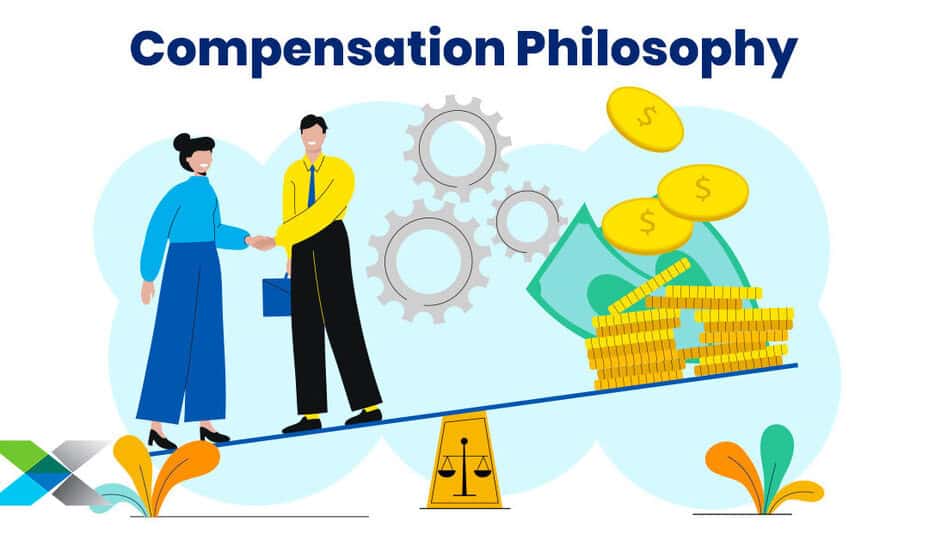




![What Is Compensation Analysis in 2025? [Step-by-Step Guide]](https://www.complogix.io/wp-content/uploads/2026/02/What-Is-Compensation-Analysis-in-2025_-Step-by-Step-Guide-1080x628.jpg)