
Blog, General Insights
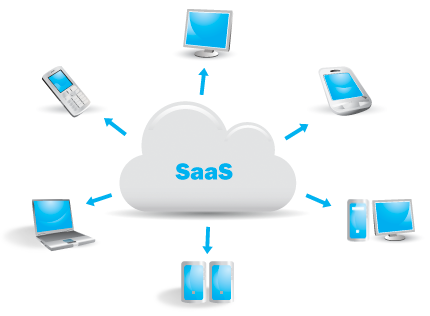
Compensation can be a tricky beast to tackle. Even after an organization strategizes and implements what they feel to be the best compensation tactics for them, there’s still the need to actually administer it. Many organizations, however, still rely on inefficient means to administer compensation, which can make the process much longer and more difficult than it needs to be. If your organization is spending weeks agonizing over compensation management, it may be time to try out a SaaS solution. Here are three of the top reasons why a SaaS solution would be a valuable tool for organizations struggling with compensation management:
1. SIMPLICITY: The more factors you have to account for when it comes to compensation, the more work that has to be done. If you need to deal with a lot of employees, multiple pay programs and Total Rewards Benefits, administering compensation can take up too much of your organization’s time. Especially if you’re using spreadsheets, which need to be assimilated into one master document which will contain all the necessary information. If you have to account for thousands of employees and multiple departments then things can really start to get messy. But a SaaS solution doesn’t require such consolidation. Instead, managers can simply input the necessary data on their direct reports and it will be there in the system. This way, there’s no need for HR to wrangle all of the data into a single file.
2. SYNERGY: SaaS solutions are incredibly useful tools for decentralized and international organizations. Things like currency conversion and relevant regulations can be accounted for in the system, removing even more legwork from the compensation process. Since the service is built from the ground up for your organization’s needs, you can have various groups and departments represented as both single units (with their own compensation budgets, pay programs, merit pools, etc) which also can be analyzed as a whole. This way it’s easy to get a big-picture view of an organization’s compensation regardless of its structure.
3. SECURITY: Let’s face it: Compensation data is sensitive information and ought to be secured. However, many organizations continue to email spreadsheet documents back and forth across departments, leaving data vulnerable. Email is notoriously unsecured, and a dangerous medium for sensitive information. SaaS solutions, which are cloud based, offer increased security on compensation information. Furthermore, audit history lets administrators know exactly who accessed the system, what they did, and when. SaaS compensation management solutions also allow different levels of access to different types of users. For instance, managers will only have access to their direct reports while those in HR/comp will have access to the entire system. All of this can be arranged to fit the needs and desires of each organization.
Blog, General Insights
These days it seems like everything is connected. Not even ten years ago it seemed the only internet connection you needed was for your PC, which was the sole portal to the World Wide Web for most users. Now, however, we’re always in a state of constant connectedness. We have internet connections to our phones, our televisions, even our light bulbs and our cars. We’ve adapted to this rapid advance in interconnectivity adeptly, at least in terms of the consumer sphere. But what we may not have realized yet is the profound impact this interconnectivity can have in the business sector.
When planning and administering compensation, the process can be much more disorganized than you’d like. Waiting for unsecured emails of barely organized spreadsheet data to make its way up the approval chain, then manually inputting the data by hand can be a tedious process rife with errors. Instead of running compensation like it’s still 2005, isn’t it time to step into the future?
SaaS (software-as-a-service) compensation solutions utilize the advent of cloud computing to empower compensation managers and speed up the compensation process. Because it’s hosted in the cloud, the only requirement to access the system is a web browser – removing the need for expensive computer systems due to older software’s system requirements. It also means that managers can log in wherever – on their phones, tablets, or computers – and input data on their direct reports.
From there the automated approval process immediately notifies the next user on the approval chain, and audit tracking keeps tabs on who accessed the system, when they accessed it, and what changes they made. Real-time updating means that users can see the budgets they have to work with at-a-glance so they always know whether or not they’re within their guidelines. And software integration means that the compensation system can play nice with your existing performance management/HRIS software. And if you’d like it to, you can have it automatically generate compensation or total rewards statements.
SaaS compensation management systems can help your business take advantage of the ever-expanding technological advances which make our jobs – and our lives – much easier. If you’re part of a large, decentralized organization, and you’re finding the compensation process too time and labor-intensive, a SaaS system might be exactly what you need. If you’d like more information about Harvest HCM’s customized compensation solutions, please feel free to contact us for more information.
Blog, General Insights
Compensation isn’t an exact science. The metrics by which compensation is determined vary from company to company, as does the types of pay programs and total rewards offered to employees. As much as we’d like to have a simple answer to every problem, there is no magic formula to determine the right combination for every organization. Though compensation involves sometimes difficult decisions, there are ways to make the process less grueling. One of these ways is decreasing the workload of the compensation department through automation and integration. The other is through knowledge, achieved by the surfacing of relevant data so that it’s easily accessed and analyzed. How can both of these objectives be accomplished?
It’s no secret that handling compensation through Excel spreadsheets isn’t the most efficient method. And while knowing how to create macros and automate tasks within the spreadsheet can ease the burden a bit, there are still many roadblocks which can stop the process dead in its tracks. Sending data back-and-forth between managers and HR, generally through unsecured email, can turn the process into a waiting game. Waiting for budget allocations and approval from executives can also slow the process. And keeping track of those budgets can create more work, either through calculating budgets on the side or configuring the spreadsheet to do it for you.
The more segmented or decentralized an organization, the more complicated the compensation process becomes – the same is true with the number of employees you need to keep track of and the overall number of managers. If your organization is still using Excel, you have to manually create a spreadsheet for each manager, which is extremely time consuming and prone to errors. Taking all of these factors into account, planning compensation can become a massive undertaking. A process which should only take a couple of weeks to accomplish balloons quickly into something which requires months of tedious work. You know that there are solutions which can handle this process more adeptly than a spreadsheet, but you’re not quite sure how well it will fit your organization’s needs.
If you’re looking for a system to ease your compensation woes, you need to find one which can successfully integrate with your existing performance management and HRIS systems, as well as automate approvals. Most importantly, the system has to be easy to use for the managers. More than likely, you are only going through this process once or twice a year. You don’t want to have to re-train the managers each year when it comes time to administer compensation. The more that the system can interact with your existing HRIS solutions, the easier the process will be.
This integration also facilitates the knowledge necessary to administer compensation effectively. If you have one space in which all of the necessary data lives, which can be organized in whichever ways the user needs, you no longer have to cross-reference multiple programs and documents. Automation means the system can automatically notify each user down the workflow, and provide notifications when certain employees are eligible for merit increases or promotions. This way, you’re equipped with all of the necessary data needed to strategically administer compensation throughout your organization.
There’s no magical formula, no objectively best way to plan compensation. But with the right tools and the right information, you can ensure that you’re informed enough to make the best decisions for your organization. For more information about the customized compensation solutions we offer, feel free to contact us.
Blog, General Insights
In our series on implementing a compensation management solution, we’ve gone over the first three major phases: analysis, development, and communication. We’ve looked at how the system takes shape over time, and how vital communication between the vendors and clients are in ensuring the implementation process doesn’t take any wrong turns along the way. There’s one more phase in the implementation process to go over, in which the system will be completed and then eventually rolled out. The finalization process is where extra functionality is added to the system, and the users are brought up-to-speed on how it works.
One of the major parts of the finalization process is adding in features and functionality as specified by the client. For instance, if the client would like for their compensation management system to feature single sign-on, that part of the system would be put into place during this phase. Moreover, many organizations want their compensation management system to integrate with the existing third party tools they already use in order to get the most benefit. Ensuring that the system integrates well with any HRIS systems, performance management systems, or payroll software that the client already uses is one of the final steps in creating and implementing a compensation management tool. Speaking of payroll, many clients want their compensation management system to include the ability to automatically generate compensation statements. That functionality is also one of the features added during the finalization phase.
Once the software is feature-complete, the previously-designed employee training is deployed as the developer and client prepare for go-live. Managers are instructed on how to use the system – where to go, how to get there, what they can do once they’re there, and so on. As the employees learn how to use the system the developers finish it, entering the necessary employee data provided by the clients. After all of that is done, the system goes live and the implementation process is complete.
Blog, General Insights
Our last two blog posts covered the first two phases of the implementation process for a compensation management tool – analysis and development. Specifically, these posts went over the expectations placed on both parties, and the role communication plays in making the process as painless as possible. The third phase of the implementation process also deals with communication – specifically, building communication capabilities into the system. This is the point in the process where the system starts to get fully fleshed out, built upon the foundation started in the first two phases.
Once the client signs off on the system after the initial development process, the developers begin adding more features into the system. Many of these features revolve around communication; specifically, how the system will communicate with users throughout the client’s organization. Together, the client and developer determine how certain aspects of the system will work. These aspects include email notifications, how the relevant workflows are going to be structured, how approval processes will be handled, and so on.
Once each of these pieces are in place, the system moves into user testing. The developers load sample data into the system so that it looks and behaves as it will once it’s completely finalized. The users then go into the system and test it to make sure everything is working to their satisfaction. Generally the users will make sure their calculations are in order, and their budgets and systems are properly incorporated and functional. If everything here is deemed satisfactory by the client, the developers then prepare employee training.
The training, like the compensation management system itself, is customized in cooperation with the client so that it covers the necessary systems that were built in – like pay programs, promotions, and budgets. Ideally the compensation solution shouldn’t require much training, because it should be straightforward and simple to use. Furthermore, most of the system’s users (managers) will likely only use the system once or twice a year. They’ll want to know how to get right into the program, see their direct reports and budgets, and administer compensation. Keeping this in mind, the training usually involves quick-start guides as opposed to formal training – which is costly and time-consuming.
Once the employee training has been developed, the implementation process has reached the home stretch. It should go without saying that communication between vendor and developer remains just as vital in this stage as it has previously. Ensuring that the developer knows exactly what your organization needs will save a lot of time and trouble. It gives them a concrete direction, and lessens the chance that the system will somehow deviate from your needs or expectations somewhere along the way, necessitating massive revisions. In the fourth (and final) part of this series on implementation, we’ll cover what goes on during the system’s finalization and eventual deployment.
Blog, General Insights
In the last blog post we went over the first step in implementing a compensation management tool, which is needs analysis. Specifically, we talked about the importance of open communication between the client and developer. The necessity of this communication becomes a factor in the next step of the implementation process, which is actual development. This is where the developer takes all of the information they got from the client during the analysis period and starts to shape it into the actual system, build to the specifications laid out by the client.
After the client signs off on the mockup produced at the end of the analysis process, the work on the actual system begins in earnest. The developers will go in and start configuring the system from the inside out, to the specifications set by the client. These specifications don’t merely include things like pay program and organizational structure, though. Things like the verbage of the client’s organization, their logos, naming conventions, and color schemes are set up at this point. The developers will also put any other administrative or aesthetic guidelines into place as specified by the client during the analysis period.
I know that the point about the importance of communication during the analysis process feels like it’s been overemphasized at this point, but I can’t stress enough how important it is. The more information given to the developers about how the client wants the system to operate, the more expedient the actual development process is going to be. That’s because the development process involves less cooperation between the developers and the client, as they’re busy creating the system in the first place.
Generally, the analysis process takes about 2-3 weeks, and the development process another 2-3 weeks. The last thing that either the developer or the client want to happen is to come out at the end of those six weeks with a system which doesn’t meet the needs or wants of the client for whatever reason. The more thorough the analysis process is, the less chances there are of hitting any major snags along the way which can delay implementation.
Though this step is titled “development,” that doesn’t mean the system is complete after the first six weeks. At the end of this stage, the developer will show the client a preliminary system in order to make sure they’re on the right track. The system should have the necessary organizational structure and pay systems in place, as well as the aesthetic specifications requested by the client. It should also have all of the necessary screens in place for each of the classes of users. At this point, the system as it stands is shown to the client for them to sign off on. If everything looks satisfactory to them, then it’s off to the next step of the implementation process: communication.
Blog, General Insights
If your organization is seriously considering a compensation management solution, you’ve (understandably) got a number of questions. A lot, if not most of these, center around the implementation process. How long is it going to take to develop the system? How much communication will there be between the client and developer? What is required on our end to make the implementation process as smooth as possible?
While the developers will be the ones carrying the brunt of the work during development and implementation, the process requires an open line of communication to be as fast and easy as possible. Communication is an important factor from the very beginning – the first step in the implementation process is needs analysis. This step allows the developer and client to create a plan for completing the system, which is tailored to the needs of the organization and all of the system’s users.
Generally there are three separate types of users that we need to account for. Those groups are system administrators (typically the organization’s HR/comp department), managers (the end users) and executives (who will approve and set budget guidelines within the system). Most of these users are going to switch from Excel spreadsheets, an HRIS tool or a standalone compensation system, so it’s important to get an idea of the kinds of systems they’re the most comfortable with, and what expectations they have for the system and how it should operate.
The client and developer will also need to communicate about the types of pay programs that need to be incorporated into the system. Whether the organization uses merit pay, merit and bonus, incentive pay, and so forth all need to be laid out so they can be included in the compensation tool. The details surrounding specific programs to be included in the system are often detailed in a spreadsheet program and sent via email to the developers.
The initial analysis process takes two or so weeks of back and forth communication between the developer and the client. After the developers get a good enough feel of what the managers want (and need) to see, and how they want the system to look and function, a mockup will be produced. This mockup contains the desired layout of the system and serves as a prototype of the compensation solution. Once the mockup is sent, all that’s left is for the client to sign off on the project before the developers can dive headfirst into developing the system.
That this initial analysis is extremely important should go without saying. The communication between the two parties is mutually beneficial: clients can ensure that the developers know exactly what they’re looking for in the final product, and the developers have a clear and defined direction to follow while creating the system. This may seem less convenient than, say, purchasing some off-the-shelf program, but the effort put into communication (indeed, collaboration) ensures the development of an efficient and easy-to-use compensation system made exactly to meet an organization’s specific needs.
In the next post we’ll detail the second part of the implementation process: development.
